Build in Brazil
Why Northern Bahia? How Foreigners Should Choose a Region Before Buying.
Bahia's coast runs over 1,100 km — buying in Praia do Forte is nothing like buying in Caraíva. A foreigner's guide to choosing the right region in Northern Bahia before you fall for a property: Litoral Norte, Chapada Diamantina, Maraú, Itacaré, Trancoso and more.
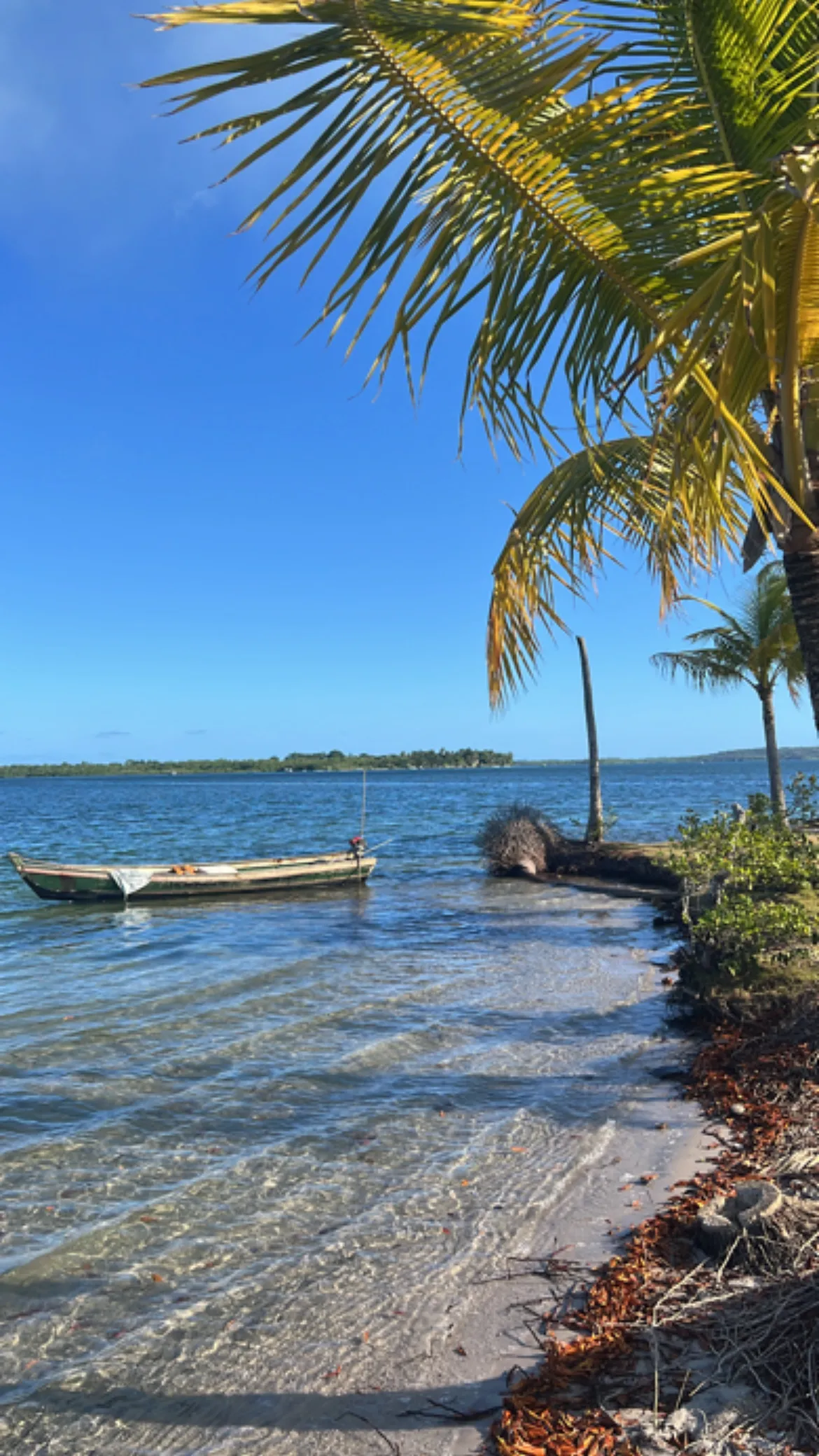
Why Northern Bahia? Choosing a Region Before the Property
Post 1 of "Building a House in Bahia: A Foreigner's Playbook"
I'll get to the lawyers, the documents, and the registry office. But before any of that — before you're on a plane, before you've fallen for a photo of turquoise water and coconut palms — you need to make a decision most buyers skip entirely:
Which Bahia?
Bahia is the size of France. Its coast alone runs more than 1,100 kilometers. The gap between buying in Praia do Forte and buying in Caraíva is the gap between buying in Nice and buying on a Greek island you can only reach by tractor. Both are beautiful. They are not the same decision.
This is Post 1 of a series on buying and building in Bahia as a foreigner. We'll get technical soon. First, let's narrow the map.
The five regions that actually matter
Litoral Norte (north of Salvador)
Praia do Forte, Imbassaí, Costa do Sauípe, Itacimirim. Closest to Salvador's international airport — 30 to 90 minutes on paved road. Gated condominiums, reliable internet, a Club Med, a Tivoli. This is the most "turnkey" Bahia. If you want to land and sleep in your house the same day, this is it. The trade-off: you're buying into a developed market. Prices reflect that, and the "undiscovered Bahia" fantasy isn't really here anymore.
Chapada Diamantina (interior)
Lençóis, Vale do Capão, Mucugê. Not the coast. Table mountains, waterfalls, a completely different ecosystem. Cooler, drier, zero salt corrosion on your windows. Attracts a different buyer — hikers, ecolodge operators, people escaping the humid coast. Access is a 6-hour drive from Salvador or a small regional airport at Lençóis. Niche, but if your vision is a lodge rather than a beach house, it's underrated.
Baixo Sul / Costa do Dendê (south of Salvador, pre-ferry country)
Morro de São Paulo, Boipeba, Barra Grande, Península de Maraú. This is where "undiscovered" still means something. Maraú, where we bought, is reached via a 4-hour drive plus a ferry, or a flight to Ilhéus plus a 2-hour transfer. Boipeba is boat-only. Infrastructure is patchy — some villages got electricity within the last decade, water is usually artesian, and APA (Área de Proteção Ambiental) rules govern what you can build. Reward: beaches you won't share with 300 people.
Costa do Cacau
Ilhéus, Itacaré, Serra Grande. The middle child. Ilhéus has a real airport with domestic connections. Itacaré has surf culture and a boutique-hotel scene. Less gated-community, more pousada-meets-hippie. Better roads than Maraú, less remote than Caraíva.
Costa do Descobrimento (far south)
Porto Seguro, Arraial d'Ajuda, Trancoso, Caraíva. Trancoso has become Bahia's St. Barths — you'll see São Paulo private-jet money and European fashion houses on the Quadrado. Caraíva, 40 minutes further, still has no paved roads and no ATMs. Porto Seguro airport receives direct flights from São Paulo and Rio. Price per square meter around the Quadrado rivals Manhattan. Yes, really.
How to actually choose
Forget "which is most beautiful." They all are. Ask yourself four questions:
1. How do I get there, and how often? A 6-hour door-to-door from the international airport is a different calculus if you're flying from Europe twice a year versus commuting monthly.
2. Rental, personal home, or both? Rental yields are highest where tourism is already established (Trancoso, Praia do Forte). Yields in Maraú or Caraíva are real but seasonal and require a local operator you trust.
3. What's my appetite for infrastructure friction? No pharmacy within 30 minutes. A power outage that lasts two days. A contractor who communicates exclusively via WhatsApp voice notes. These are features of the remote regions, not bugs. Knowing that going in changes how you plan.
4. Am I buying into a market or a frontier? A frontier appreciates more but carries more legal risk — posse instead of escritura, unresolved inventories, APA restrictions that weren't disclosed. We'll cover that in detail in Post 3.
Our Maraú answer
We chose the Península de Maraú for three reasons. First, the beaches — Taipu de Fora's reef pool is genuinely world-class, not a marketing line. Second, the ceiling on development: APA zoning means Maraú will never become Trancoso. Third, the price gap between Maraú and the famous names was, and still is, significant.
The ferry keeps the crowds down. The ferry also, occasionally, ruins your weekend. Both are true, and we knew it going in.
Next in the series: Post 2 — Reading the land before you fall in love: APAs, restinga, and terra de marinha. Why "pé na areia" is often a legal trap.
Talk to someone who has built here
Tell us a bit about your project. We reply within a few business days.